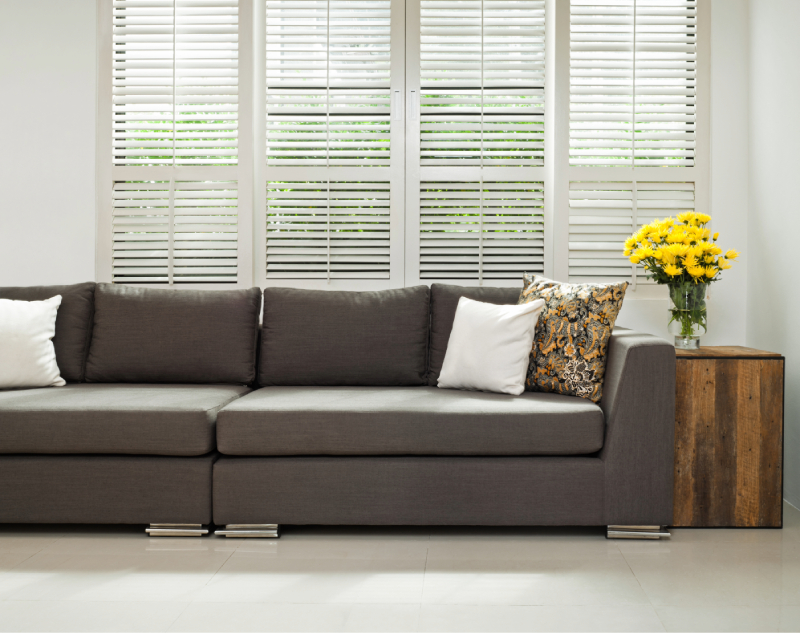
Choosing the right blinds for your windows involves more than selecting a color or material. The perfect blinds should complement your home's design, provide the right level of light control and privacy, and perform reliably over time. This guide walks you through the key considerations to help you make a confident, informed decision.
Understanding the Types of Blinds Available
Blinds come in several distinct styles, each with its own aesthetic and functional characteristics.
Horizontal Blinds
Horizontal blinds are the most common type and are available in aluminum, wood, and faux wood materials. They provide excellent light control through adjustable slats and work well in most rooms. Wood blinds add warmth and natural character, while aluminum and faux wood options are more affordable and moisture-resistant.
Vertical Blinds
Vertical blinds are well suited for large windows, sliding glass doors, and patio doors. Their vertical slats can be tilted to control light and privacy, and they stack neatly to one side when fully open. They are available in fabric, vinyl, and wood materials.
Wood and Faux Wood Blinds
Wood blinds bring a classic, refined look to any room. They are best suited for dry interior spaces such as living rooms, dining rooms, and bedrooms. Faux wood blinds offer a similar appearance but are more resistant to moisture and humidity, making them a better choice for kitchens and bathrooms.
Aluminum Blinds
Aluminum blinds are lightweight, durable, and available in a wide range of colors and finishes. They are a practical and cost-effective option for spaces where a simple, clean look is preferred.
Key Factors to Consider When Choosing Blinds
Light Control
Consider how much natural light you want to filter or block in each room. Tighter slat angles and thicker materials provide more light blockage, while open slat positions allow more light to pass through. For rooms where full privacy is needed, such as bedrooms, consider blinds with a room-darkening liner option.
Privacy
Privacy needs vary by room. Street-facing windows and ground-floor rooms typically require stronger privacy solutions than upper-floor or backyard-facing windows. Top-down bottom-up options are particularly useful for balancing light and privacy simultaneously.
Moisture Resistance
For kitchens, bathrooms, and laundry rooms, choose materials that can withstand humidity and occasional moisture exposure. Faux wood and aluminum blinds are significantly more moisture-resistant than real wood and are better suited for these environments.
Window Size and Shape
Standard horizontal blinds work well for most window sizes, but very wide windows may require center support brackets to prevent sagging. Specialty windows such as arched or angled frames may require custom solutions.
Inside Mount vs. Outside Mount
Blinds can be mounted inside the window frame for a clean, recessed look, or outside the frame to cover a larger area and make windows appear larger. Inside mounts require a minimum depth within the frame to accommodate the hardware, so it is important to measure carefully before selecting this option.
Motorization Options
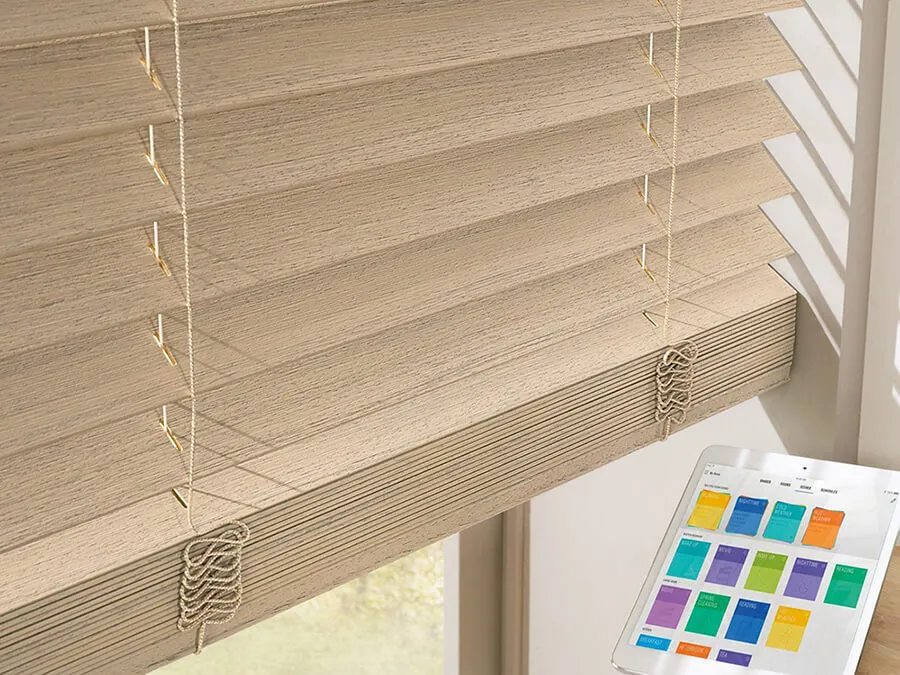
Motorized blinds offer convenience and precision that manual blinds cannot match. With a remote, app, or voice command, you can adjust all your blinds simultaneously or program them to open and close on a schedule. Motorization is especially useful for hard-to-reach windows, skylights, and homes with a large number of windows.
Work with Hartley Window Coverings to Find the Perfect Blinds for Your Windows
The right blinds can transform the look and feel of any room while improving comfort and privacy. Hartley Window Coverings offers a curated selection of blinds and provides expert guidance to help you find the ideal solution for every window in your home. Schedule your in-home consultation today to get started.


.webp)