Quick Answer
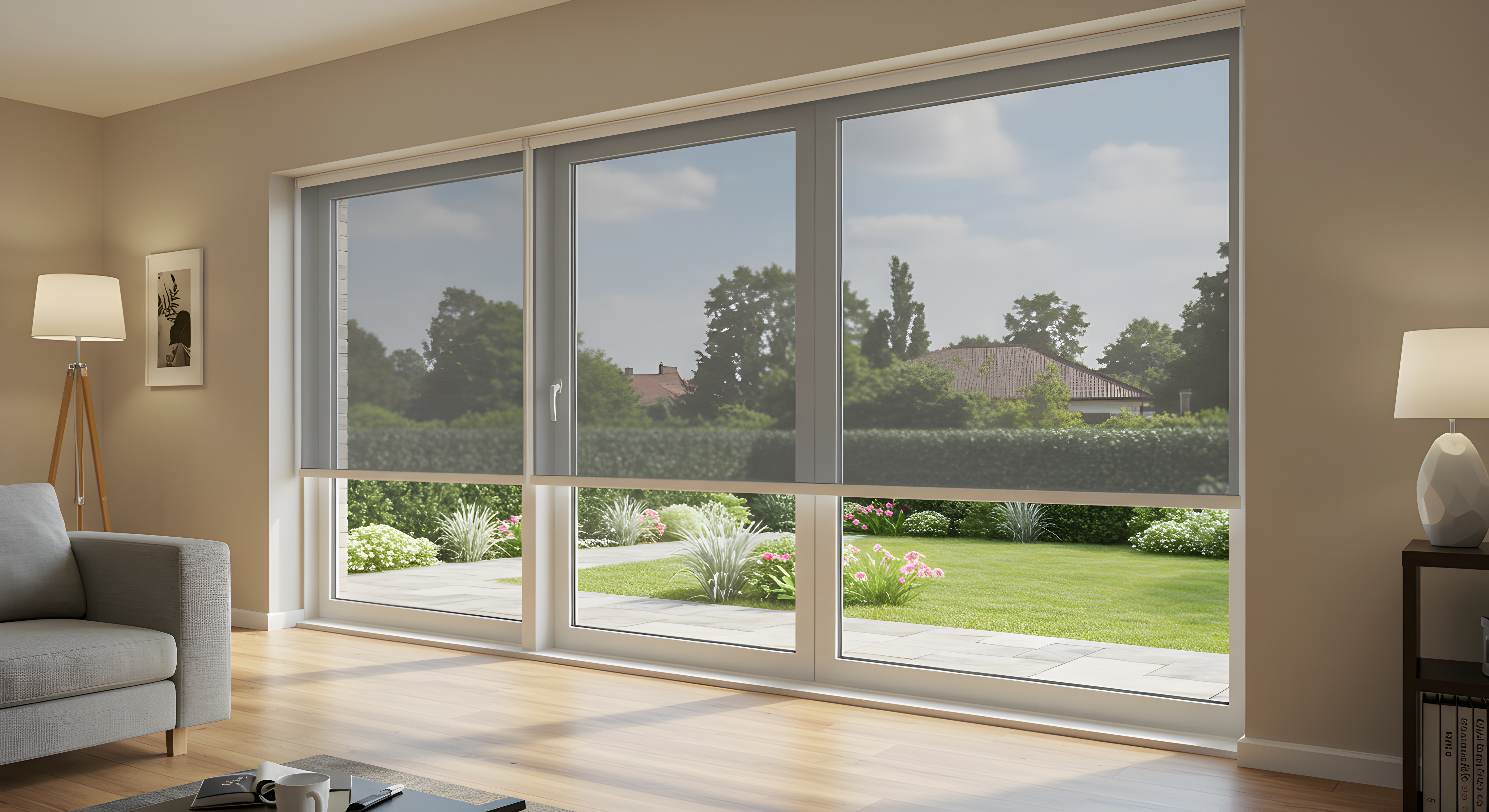
Solar screens reduce indoor temperatures by blocking and filtering sunlight before it passes through the window glass. Since exterior solar screens are installed outside the home, they help stop a portion of solar heat before it enters the room. This can reduce heat buildup near windows, improve comfort during peak summer afternoons, reduce glare, and help your cooling system work more efficiently.
Key Takeaways
- Exterior solar screens are especially effective because they filter sunlight before it reaches the window glass.
- They can help reduce solar heat gain, glare, UV exposure, and hot spots in sunny rooms.
- For Santa Rosa homes, solar screens are a strong choice for west-facing windows, patio doors, sunrooms, home offices, and outdoor living areas.
When summer temperatures climb in Santa Rosa and Sonoma County, sunny windows can quickly become one of the biggest sources of indoor heat. A room that feels comfortable in the morning may become hot, bright, and difficult to use by the afternoon, especially if it has west-facing windows, sliding glass doors, or large panes of glass exposed to direct sun.
Exterior solar screens are designed to help solve that problem before the heat reaches your living space. By filtering sunlight on the outside of the window, solar screens can reduce solar heat gain, soften glare, protect interiors from UV exposure, and help rooms feel more comfortable during the hottest parts of the day.
Hartley Window Coverings offers custom exterior solar screen shades for homeowners who want better summer comfort without closing off their homes from natural light and outdoor views.
Why Sunny Windows Make Rooms Feel Hotter
Windows bring in daylight, views, and a more open feeling, but they can also let in a significant amount of unwanted heat during the summer. When direct sunlight hits glass, solar radiation can pass through the window and warm the surfaces inside the room. Floors, furniture, countertops, rugs, and walls can absorb that energy and release it as heat.
This is why a room can feel warmer than the thermostat reading suggests. Even if the air conditioner is running, the space near a sunny window may feel uncomfortable because radiant heat is still entering through the glass.
In Santa Rosa, this can be especially noticeable during long, bright summer afternoons. Rooms with strong western or southern exposure often heat up later in the day, which is when many homeowners are trying to relax, cook dinner, work from home, or enjoy indoor-outdoor living.
How Exterior Solar Screens Stop Heat Before It Enters
The biggest advantage of exterior solar screens is placement. Interior shades can help reduce glare and add comfort, but the sun has already passed through the glass by the time it reaches an interior window treatment. Exterior solar screens sit on the outside of the window or opening, so they intercept sunlight earlier.
That outside placement helps reduce the amount of solar energy that reaches the glass in the first place. Less direct sunlight on the window means less heat passes into the home. This can make rooms feel cooler and more balanced during peak summer heat.
For homeowners comparing exterior products, solar screens are one of the most practical ways to manage heat while still preserving some daylight and visibility.
What Solar Heat Gain Means
Solar heat gain is the heat that enters a home from sunlight. It can come through windows, skylights, glass doors, and other exposed surfaces. During cooler months, some solar heat can be welcome. During summer, especially in sunny rooms, it can make the home harder to cool.
A helpful way to think about solar heat gain is this: if sunlight is landing directly on the floor, furniture, or walls, that sunlight is warming those surfaces. Over time, that added heat can raise the temperature of the room and make your air conditioner work harder.
Exterior solar screens help by reducing the amount of direct solar energy that reaches the glass and interior surfaces. They do not make heat disappear, but they can reduce the intensity of sunlight entering the space.
Why Exterior Solar Screens Are Helpful During Peak Heat
Peak summer heat often happens when the sun has been hitting the home for hours. By mid-afternoon, exposed windows may be hot, rooms may feel stuffy, and air conditioning may struggle to keep up. Exterior solar screens help reduce that buildup by limiting the amount of direct sunlight that reaches the window throughout the day.
This can be especially helpful for:
- West-facing rooms that overheat in the afternoon
- South-facing windows with long sun exposure
- Sliding glass doors leading to patios or decks
- Home offices with screen glare
- Living rooms with large windows
- Sunrooms or rooms with multiple glass surfaces
- Bedrooms that heat up before evening
By lowering the amount of sunlight entering these areas, solar screens can make the home feel more comfortable without requiring every window to be covered with heavy indoor treatments.
Solar Screens Reduce Hot Spots Near Windows
One of the most common complaints homeowners have during the summer is that certain rooms feel hotter than others. These hot spots often happen near large windows, patio doors, or areas with direct afternoon sun.
Exterior solar screens can help reduce these hot spots by shading the glass and lowering the intensity of sunlight entering the room. Instead of harsh sun pouring through the window, the screen fabric filters the light and creates a softer, more controlled environment.
This is especially useful in open-concept homes where a sunny living room, dining area, or kitchen can affect the comfort of the surrounding space.
How the Openness Factor Affects Heat Reduction
The openness factor of a solar screen refers to how tightly the screen fabric is woven. This matters because it affects heat control, visibility, privacy, and light transmission.
A lower openness factor has a tighter weave. It usually provides stronger heat reduction, glare control, and daytime privacy, but it may reduce the clarity of the view.
A higher openness factor has a more open weave. It usually allows a clearer view and more daylight, but it may offer less protection from heat and glare.
Common openness levels may include:
- 1% openness for stronger sun control and privacy
- 3% openness for a balanced mix of heat reduction, privacy, and view-through
- 5% openness for more visibility with moderate sun protection
- 10% openness for maximum view-through with lighter sun control
The best option depends on how much sun the window receives, how much privacy you want, and how important the outdoor view is to the room.
Solar Screens Can Help Reduce Glare
Heat is not the only issue caused by direct sunlight. Glare can make a room uncomfortable even when the temperature is manageable. It can reflect off floors, counters, walls, televisions, and computer screens, making everyday activities harder.
Exterior solar screens help soften harsh sunlight before it enters the room. This can make home offices, living rooms, kitchens, and media spaces easier to use during bright afternoon hours.
For remote workers in Santa Rosa, solar screens can be especially useful in offices with windows near a desk or monitor. Instead of closing the room off completely, a solar screen can reduce glare while still allowing daylight and some view-through.
Solar Screens Can Support Energy Efficiency
Exterior solar screens are often chosen for comfort first, but they can also support energy efficiency. When less solar heat enters the home, your air conditioner may not need to work as hard to maintain a comfortable temperature.
Actual energy savings vary based on the home, window orientation, screen fabric, HVAC system, insulation, thermostat settings, and how often the screens are used. However, reducing solar heat gain is one of the main reasons homeowners invest in exterior shading.
For even more convenience, Hartley Window Coverings can help homeowners explore motorized sun control, which allows solar screens or shading systems to be adjusted by remote, wall switch, app, or schedule, depending on the selected system.
Why Solar Screens Are Different From Regular Window Screens
Solar screens may look similar to standard insect screens, but they are designed for a different purpose. Regular window screens are primarily made to allow airflow while keeping insects out. Solar screens are made with sun-control fabric that filters sunlight and reduces heat, glare, and UV exposure.
This makes them a better choice for windows and outdoor openings that receive strong sun. While a standard screen may provide minor shading, it is not designed to manage solar heat gain the way a solar screen is.
Exterior solar screens can be used on windows, patios, porches, sliding glass doors, and outdoor living areas, depending on the design of the home and the selected product.
Protecting Furniture, Flooring, and Interior Finishes
Another benefit of reducing direct sunlight is protecting the inside of your home. UV exposure and harsh sun can fade furniture, flooring, rugs, artwork, window trim, and upholstery over time.
Solar screens help filter the sunlight before it enters the room, which can reduce the intensity of exposure on interior surfaces. This is especially valuable in rooms with hardwood floors, large windows, custom furniture, or sun-sensitive materials.
For Santa Rosa homeowners who want to keep rooms bright without allowing full-strength sun into the space, exterior solar screens offer a practical middle ground.
Exterior Solar Screens for Patios and Outdoor Living Areas
Solar screens are not limited to traditional windows. They can also help make outdoor living areas more comfortable. In Sonoma County, many homes are designed around patios, decks, porches, and backyard spaces. These areas can be beautiful, but they may become too hot or too bright during peak summer hours.
Exterior solar screens can help create shade for outdoor rooms while still allowing airflow and visibility. This can make patios and porches more usable during sunny afternoons, especially when paired with other exterior shade solutions.
For homeowners who want to enjoy outdoor spaces without direct sun exposure, solar screens can be a valuable upgrade.
Fixed vs. Retractable Solar Screens
Solar screens may be fixed, retractable, or motorized depending on the window, opening, and homeowner’s preference.
Fixed solar screens stay in place and provide consistent sun protection. They can be a good fit for windows that receive strong sun throughout the season.
Retractable solar screens can be raised or lowered as needed. This gives homeowners more flexibility, especially for patios, doors, and outdoor living spaces.
Motorized solar screens offer the most convenience. They are helpful for large openings, hard-to-reach windows, and spaces where the sun changes throughout the day. With scheduled settings, homeowners can lower screens during the hottest hours and raise them later when the sun is less intense.
Best Places to Install Exterior Solar Screens
Exterior solar screens can be helpful throughout the home, but they are especially valuable in areas with direct sunlight and noticeable heat buildup.
They are a strong fit for west-facing windows, since these often receive intense afternoon sun. They also work well on south-facing windows, sliding glass doors, patio openings, sunrooms, home offices, breakfast areas, living rooms, and outdoor seating spaces.
If you are not sure which windows need solar screens most, start by noticing which rooms become uncomfortable during the hottest part of the day. Rooms with glare, warm flooring, hot glass, or frequent air conditioning use are often good candidates.
Solar Screens vs. Interior Window Shades
Interior window shades can be excellent for privacy, décor, light control, and insulation. Hartley Window Coverings offers many interior products, including cellular honeycomb shades, roller and solar screen shades, and Roman shades.
However, exterior solar screens are often better for reducing summer heat because they address sunlight before it reaches the glass. Interior shades still have an important role, especially when you want nighttime privacy, room darkening, added insulation, or a decorative finish inside the home.
In many cases, the best solution is a combination of exterior solar screens for heat control and interior window treatments for privacy, style, and light management.
Do Solar Screens Make Rooms Dark?
Solar screens reduce brightness, but they do not have to make a room feel dark. The final effect depends on the screen fabric, color, openness factor, window size, and amount of direct sun.
A tighter weave will block more sunlight and create stronger shade. A more open weave will allow more daylight and a clearer view. During a consultation, Hartley Window Coverings can help you compare fabric options so you can choose the right balance of comfort, light, and visibility.
The goal is not always to block all sunlight. For many homeowners, the goal is to reduce harsh, heat-producing sunlight while keeping the room bright enough to enjoy.
Why Solar Screens Make Sense for Santa Rosa Homes
Santa Rosa homes often benefit from window coverings that support indoor-outdoor living. Large windows, sliding doors, patios, and sunny rooms are part of what makes a home feel open and connected to the surrounding landscape. During peak summer heat, those same features can make the home warmer and less comfortable.
Exterior solar screens are well-suited for the Santa Rosa area because they help manage sunlight without removing the benefits of natural light and outdoor views. They are especially useful for homes in sunny neighborhoods, properties with large glass doors, and outdoor living spaces that need afternoon shade.
Hartley Window Coverings serves homeowners in Santa Rosa, Sonoma County, Marin County, Napa County, and nearby communities with custom exterior and interior window covering solutions.
Schedule an Exterior Solar Screen Consultation
If certain rooms in your home become too hot during summer, exterior solar screens may be one of the most effective ways to improve comfort. By filtering sunlight before it reaches the glass, solar screens can reduce heat buildup, soften glare, protect interiors, and make your home more enjoyable during peak summer heat.
Hartley Window Coverings can help you choose the right fabric, openness factor, color, operating style, and installation approach for your windows, patio, or outdoor living area.
Contact Hartley Window Coverings today to schedule a consultation for custom exterior solar screens in Santa Rosa and the surrounding North Bay area.
FAQs About Solar Screens and Summer Heat
Do exterior solar screens really reduce indoor temperatures?
Yes. Exterior solar screens can help reduce indoor temperatures by blocking and filtering sunlight before it reaches the window glass. This reduces solar heat gain and can make sunny rooms feel more comfortable during peak summer heat.
Are exterior solar screens better than interior shades for heat control?
Exterior solar screens are often better for summer heat control because they stop sunlight before it passes through the glass. Interior shades can still help with light control, privacy, and comfort, but exterior shading is usually more effective for reducing solar heat gain.
What windows benefit most from solar screens?
West-facing and south-facing windows often benefit the most because they receive strong sun exposure. Solar screens are also useful for sliding glass doors, patio openings, sunrooms, home offices, and rooms that feel hot during the afternoon.
Do solar screens block the view?
Solar screens reduce brightness and glare, but they can still allow outward visibility depending on the openness factor and fabric color. Lower-openness fabrics provide more sun control, while higher-openness fabrics preserve more of the view.
Will solar screens make my home too dark?
Not necessarily. Solar screens come in different openness levels, allowing homeowners to choose how much light and visibility they want. A design consultant can help you select a fabric that reduces heat without making the room feel closed off.
Can solar screens help lower energy bills?
Solar screens can support lower cooling demand by reducing solar heat gain through windows. Actual savings depend on your home, window orientation, HVAC system, screen fabric, and how consistently the screens are used.
Are motorized solar screens worth it?
Motorized solar screens can be worth it for large openings, hard-to-reach windows, patios, and rooms that need regular sun control throughout the day. Motorization makes it easier to lower screens during the hottest hours and raise them when shade is no longer needed.
Are solar screens a good option for Santa Rosa homes?
Yes. Solar screens are a strong option for Santa Rosa homes because they help reduce summer heat, glare, and UV exposure while still supporting natural light, outdoor views, and indoor-outdoor living.


.webp)