Quick Answer
Dark solar screen colors typically provide clearer outward visibility and stronger glare reduction, while lighter colors reflect more sunlight and brighten interior spaces. The best color depends on your priorities for view, light control, and aesthetics.
Key Takeaways
- Darker colors improve outward visibility and reduce glare
- Lighter colors reflect sunlight and brighten interior spaces
- Both options reduce heat and improve energy efficiency
- Color choice affects interior ambiance and exterior appearance
- The best choice depends on room use, sun exposure, and personal preference
Why Solar Screen Color Matters
Solar screen color affects light control, heat reduction, privacy, and curb appeal. While every solar screen is designed to reduce solar heat gain, color selection fine-tunes how light is filtered and how comfortable your spaces feel throughout the day.
For homes in sunny regions, the right color can reduce eye strain, limit glare on screens, and prevent overheating in rooms that receive intense afternoon sun. At the same time, selecting a color that complements your exterior ensures the screens blend naturally into your home’s architecture rather than standing out.
How Solar Screen Colors Influence Comfort
Heat Reduction and Energy Efficiency
Solar screens stop a significant amount of solar heat before it reaches your glass. This reduces indoor temperature swings and helps your cooling system work more efficiently.
Lighter colors reflect sunlight away from the window surface, while darker fabrics absorb and disperse solar energy. Both approaches help lower heat gain and can contribute to improved energy efficiency during warm months.
Glare Control and Visual Comfort
Glare can make it difficult to watch television, work on a computer, or relax comfortably in bright rooms. Darker solar screen colors absorb harsh light and soften brightness levels, creating a more comfortable viewing environment.
Daytime Privacy Without Losing Your View
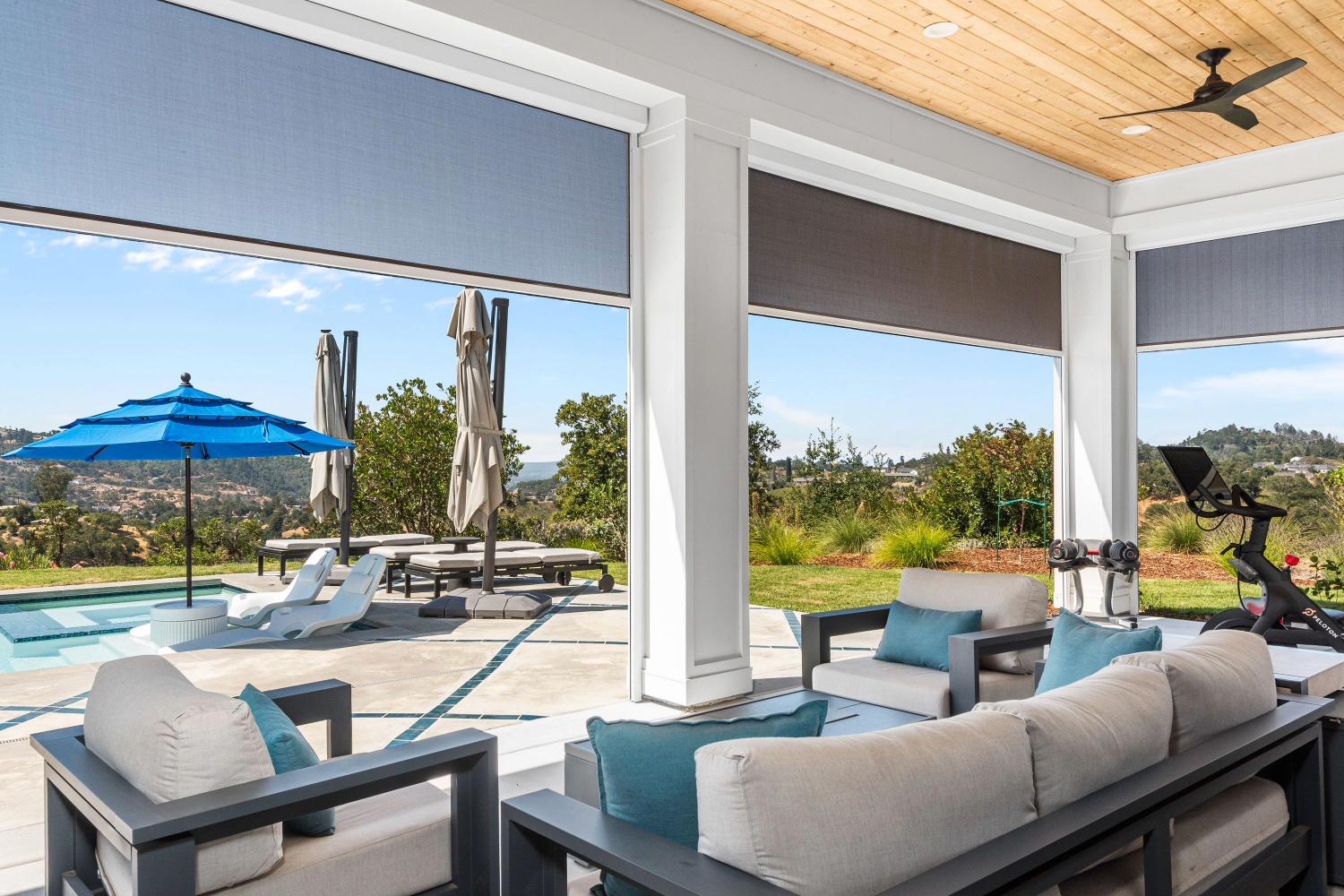
Solar screens enhance daytime privacy while preserving outward visibility. During daylight hours, darker fabrics make it more difficult for passersby to see inside while still allowing you to enjoy outdoor views.
Dark vs. Light Solar Screen Colors
Dark Colors: Charcoals, Bronze, and Black
Best for:
- Clear outward visibility
- Strong glare reduction
- Enhanced daytime privacy
- Contemporary and modern aesthetics
Light Colors: Beige, Sand, and Light Gray
Best for:
- Reflecting sunlight
- Brightening interior spaces
- Blending with lighter exterior finishes
- Softening the appearance of windows
Visibility: Why Darker Screens Provide Clearer Views
One of the most noticeable differences between solar screen colors is outward visibility. Darker fabrics reduce glare and prevent bright sunlight from washing out your view, allowing you to see outdoor landscapes more clearly.
Matching Solar Screen Colors to Your Home Style
Solar screens should enhance both performance and design. Choosing a color that aligns with your home’s architecture creates a cohesive, polished look.
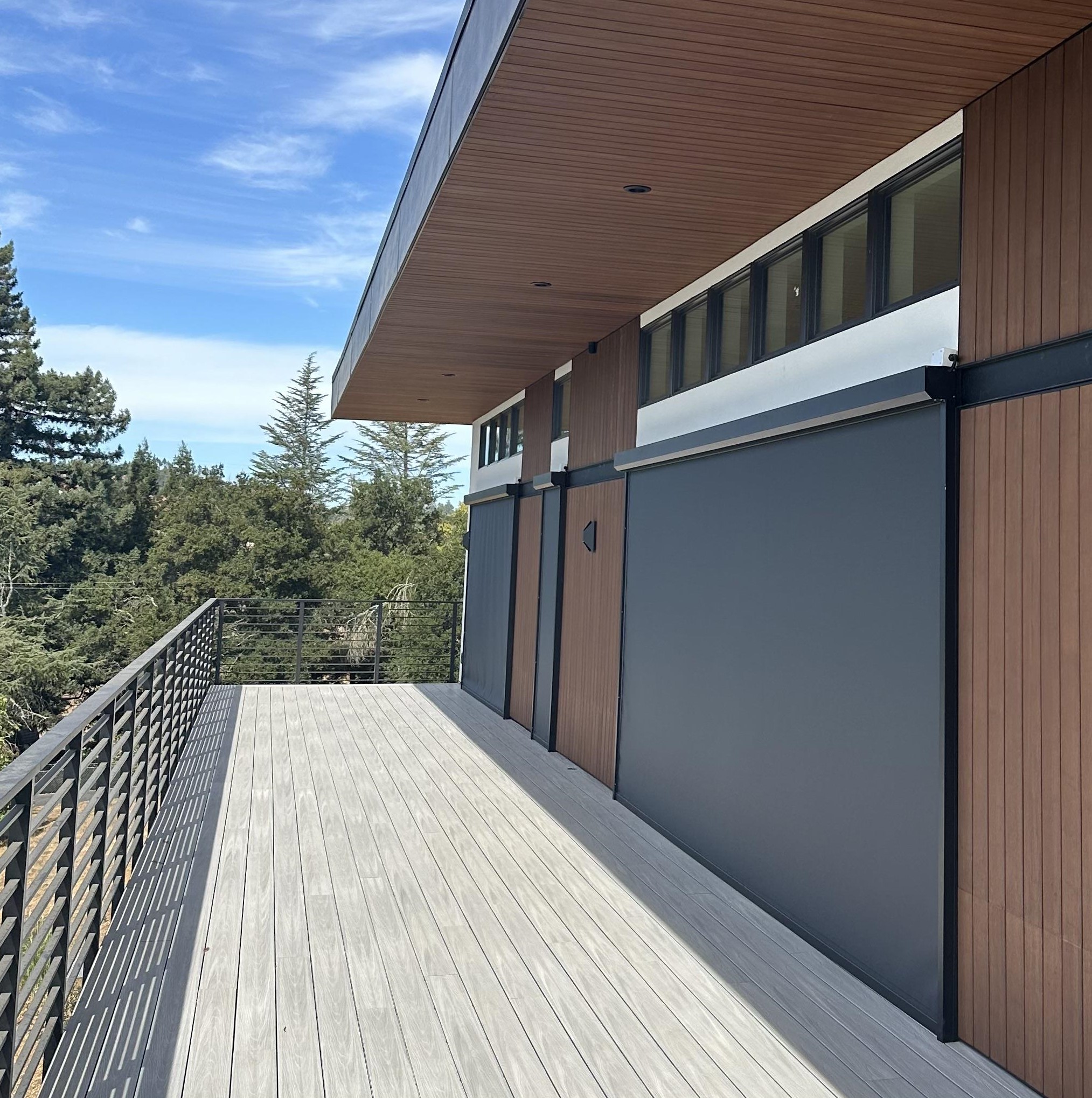
- Modern and Contemporary Homes: Charcoal or black screens complement clean lines and minimalist exteriors.
- Mediterranean and Traditional Homes: Bronze and warm neutrals blend naturally with stucco finishes and earth-toned materials.
- Light or Coastal Palettes: Soft gray or sand tones maintain brightness while delivering effective sun control.
Sun Exposure and Window Orientation
The direction your windows face significantly impacts solar heat gain and glare levels. South- and west-facing windows receive the most intense sunlight and benefit from darker screens for improved comfort and glare control.
Tips for Choosing the Right Solar Screen Color
- Evaluate how much direct sunlight each window receives
- Consider glare reduction needs for living and work spaces
- Think about daytime privacy requirements
- Match screen color to exterior finishes and trim
- View samples outdoors in natural light before deciding
Find the Ideal Solar Screen Color for Your Home
The best solar screen color improves comfort, protects interiors, and enhances your home’s appearance. With the right solar screens in Santa Rosa, CA, you can reduce glare, maintain clear views, and create more enjoyable indoor and outdoor spaces year-round.
Scheduling an in-home consultation allows you to explore fabric options, evaluate light conditions, and choose a solution tailored to your home and lifestyle.


.webp)