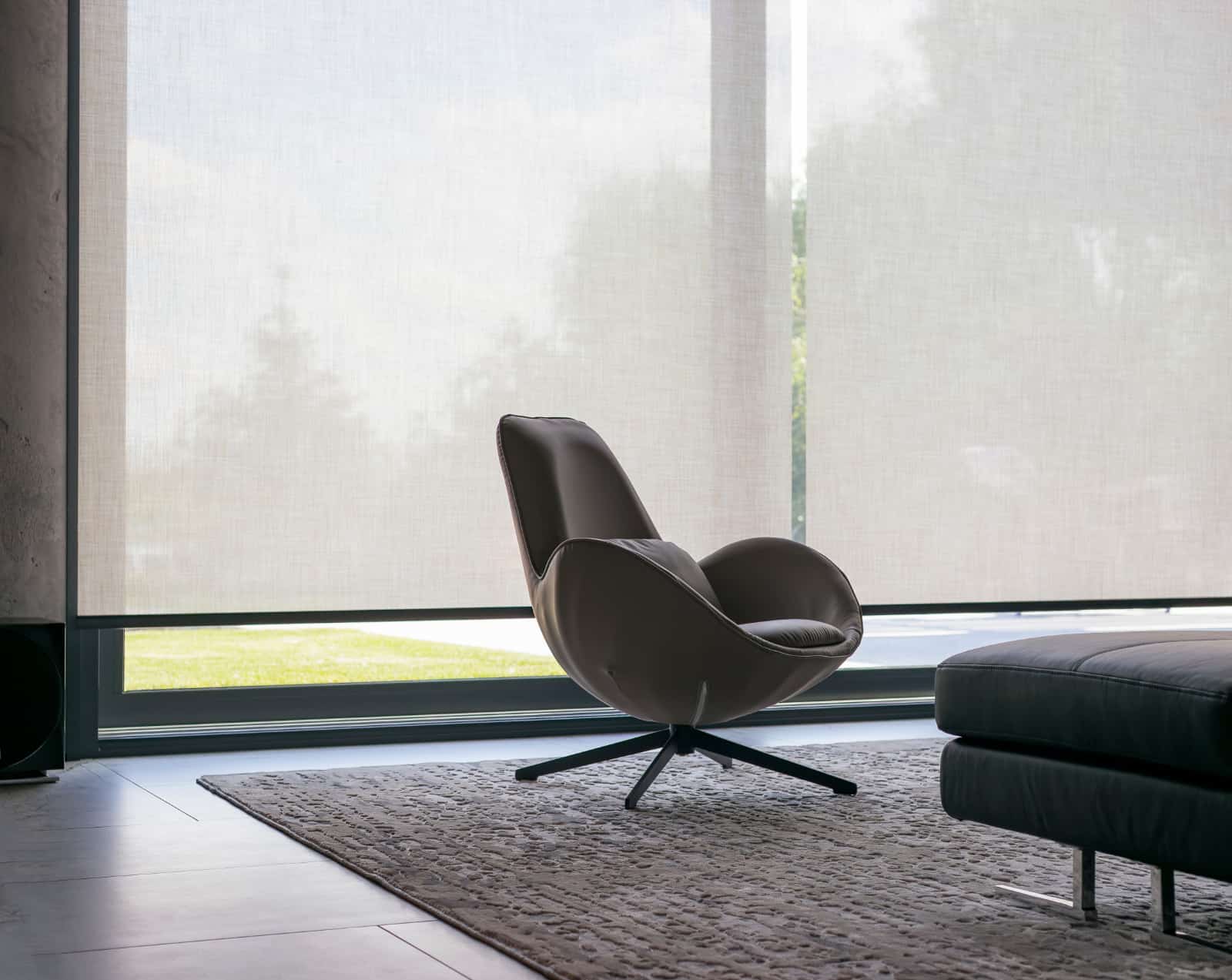
When comparing window treatment options, shade screens and insulated window coverings are two categories that often come up in discussions about energy efficiency and comfort. While both can improve how your home manages heat and light, they work differently and excel in different situations. Understanding the distinction can help you choose the right solution for your needs.
What Are Shade Screens?
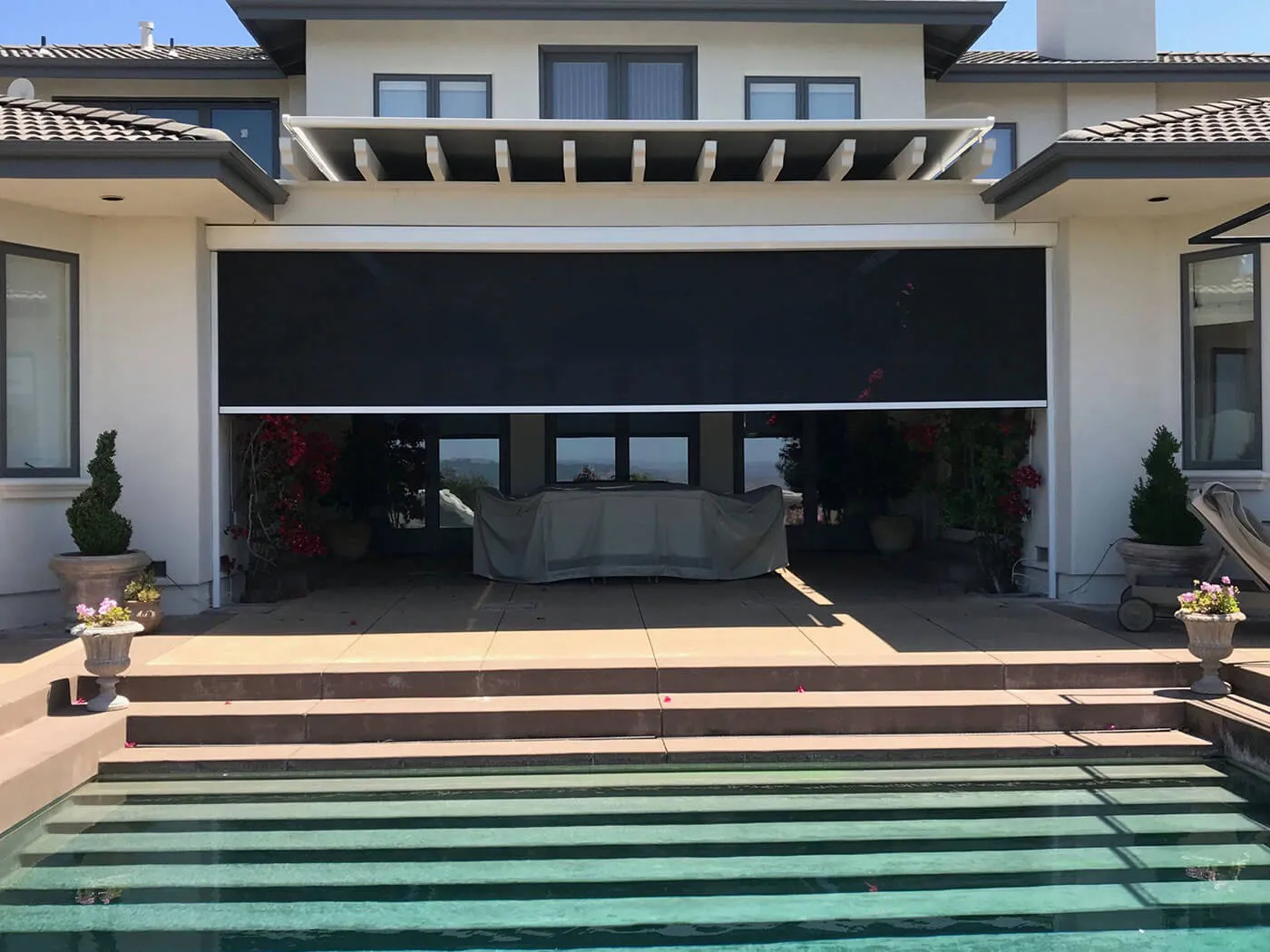
Shade screens, also referred to as solar screens or solar screen shades, are window treatments made from an open-weave fabric that blocks a percentage of solar energy before it passes through. The fabric intercepts solar radiation, reducing heat gain and glare while allowing diffused light to enter the space.
The openness factor of the fabric determines how much solar energy is blocked. A tighter weave with a lower openness factor blocks more heat and glare, while a more open weave maintains better outward visibility with somewhat less solar reduction.
What Are Insulated Window Coverings?
Insulated window coverings are designed primarily to reduce heat transfer through windows rather than to intercept solar radiation. Cellular honeycomb shades are the most common example. Their air-trapping cell structure creates a thermal barrier between the window surface and the interior space, slowing the movement of heat in either direction.
This makes insulated coverings particularly effective during cold months, when they help retain interior heat and reduce drafts near windows. They also provide some benefit during warm months by slowing heat transfer from hot glass surfaces into the interior.
Key Differences
Shade screens are primarily effective against solar radiation. They work best on windows with direct sun exposure, particularly south and west-facing windows in warm climates where solar heat gain is a significant concern. They maintain outward visibility, which is a significant advantage in rooms with desirable outdoor views.
Insulated coverings address conductive and convective heat transfer rather than solar radiation. They are most effective on windows where drafts and temperature differences between the glass and interior air are the primary comfort concern. They do not provide the same glare-reducing or view-preserving benefits as solar screen fabrics.
Which Is Right for Your Home?
The right choice depends on your primary comfort challenge. If your main concern is blocking solar heat and glare during sunny afternoons, shade screens are likely the better solution. If you are focused on reducing drafts and improving insulation performance, particularly during cooler months, insulated cellular shades will deliver more benefit.
In many homes, the best approach is to use both strategically. Solar screen shades on south and west-facing windows address heat gain and glare, while cellular shades in bedrooms and north-facing rooms address insulation and comfort throughout the year.
Get Expert Advice on the Right Window Coverings for Your Home
Hartley Window Coverings can help you evaluate your home's specific needs and recommend the right combination of shade screens and insulated coverings to maximize comfort and efficiency. Contact us today to schedule your in-home consultation.


.webp)