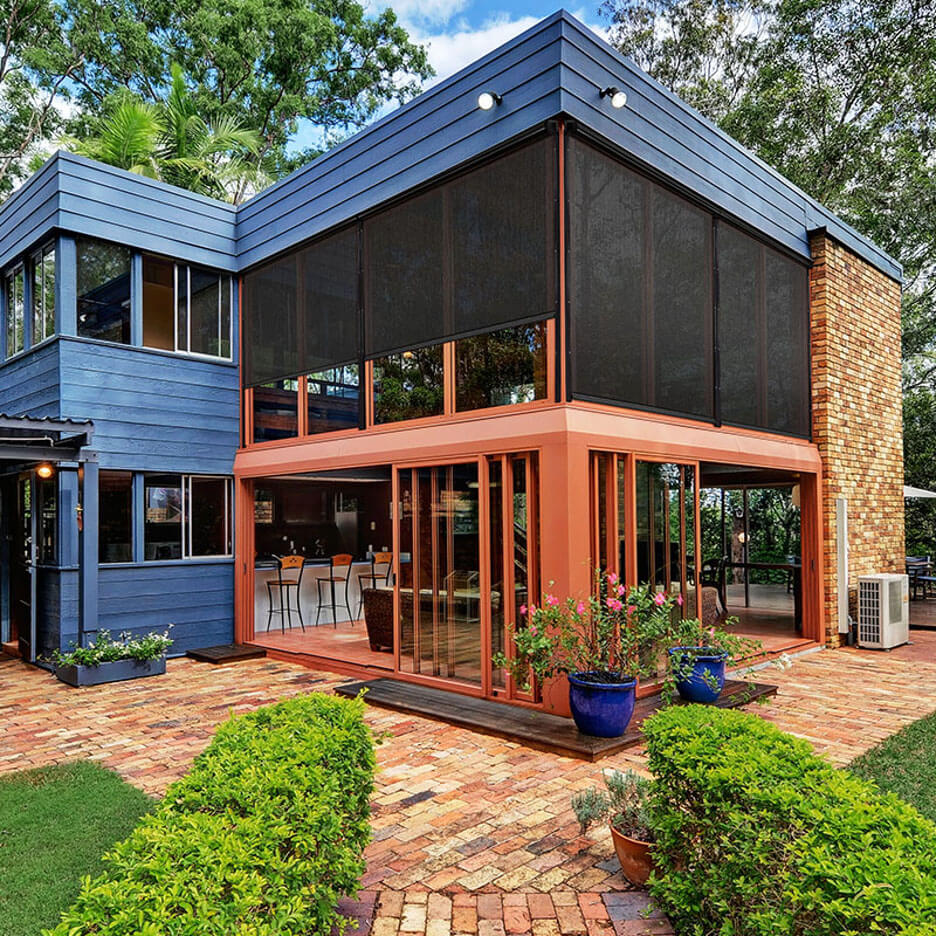
When it comes to managing solar heat gain and keeping your home comfortable during warm months, the location of your window covering relative to the glass makes a significant difference in performance. Understanding the distinction between exterior and interior window coverings can help you make a more informed decision about the best solution for your home.
How Solar Heat Enters Your Home
Solar heat gain occurs when sunlight passes through window glass and warms the interior of your home. The glass itself absorbs and transmits solar energy, converting it into heat that raises indoor temperatures. Standard interior window treatments help manage the light that enters a room, but by the time sunlight reaches an interior shade or blind, much of the solar energy has already passed through the glass.
Why Exterior Coverings Are More Effective
Exterior window coverings intercept solar energy before it reaches the glass. By blocking sunlight at the exterior surface of the window, they prevent the glass from absorbing and transmitting heat into the home. Studies consistently show that exterior shading is significantly more effective at reducing solar heat gain than interior treatments.
Exterior solar screen shades, for example, can block a substantial percentage of solar energy before it enters through the glass, keeping interior spaces meaningfully cooler than interior treatments alone could achieve. This reduction in heat gain also reduces the workload on air conditioning systems, contributing to lower energy costs.
The Role of Interior Window Coverings
Interior window coverings still play an important role, even in homes with exterior shading. They provide privacy, light control, insulation, and aesthetic appeal that exterior treatments do not address. Cellular honeycomb shades, for example, provide excellent insulation that reduces heat transfer through windows in both directions, making them effective in both summer and winter.
In many homes, the most effective approach is to use exterior solar screens on south and west-facing windows to address heat gain, while using interior treatments throughout the home for privacy, insulation, and design.
Factors to Consider
When deciding between exterior and interior solutions, consider your primary comfort challenge. If reducing solar heat gain and cooling costs is the priority, exterior shading delivers the greatest benefit. If privacy, insulation, and interior aesthetics are the focus, interior treatments are the better investment. For maximum comfort and efficiency, combining both approaches is often the most effective strategy.
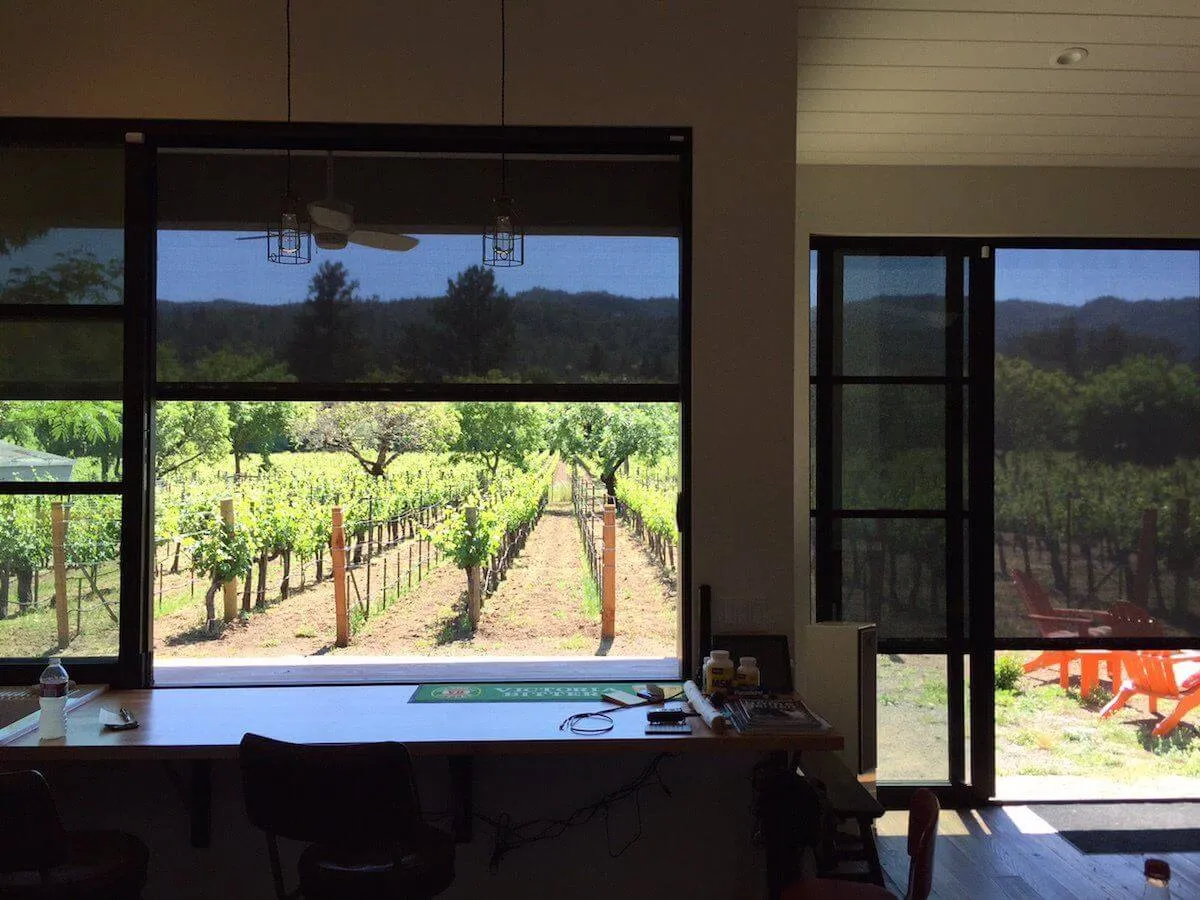
Learn More about Exterior Shading
Hartley Window Coverings offers a full range of both exterior and interior window covering solutions for homes in Santa Rosa and the surrounding area. Contact us today to schedule your in-home consultation and explore the options that will make the greatest difference in your home's comfort.


.webp)